
AI search visibility experts
AI search visibility is whether ChatGPT, Perplexity and Google AI overviews name a firm's own people when a buyer asks a question, or name somebody else.
What our AI search visibility experts do
Findwell builds a topic page for each area of expertise a firm's specialists cover, because buyers search the subject rather than the person. Each one carries a "most asked" section: real client questions, answered in a passage an answer engine can lift whole. Findwell's editorial team writes every word, the named expert approves it, and it publishes on the firm's own domain at experts.yourfirm.com. FAQ data and a last-updated date are marked up so the engine trusts the source, related topics knit into a cluster a search engine can follow, and every route through a subject ends on a named expert with their press coverage attached.
How they work
AI search visibility experts are judged on whether one lifted paragraph still says something true and complete with the rest of the page stripped away. That is a writing problem before it is a technical one, which is why Findwell's writers and editors sit in house and nothing is outsourced. The second half is citation, and citation comes from independent editorial. Findwell is a PR agency rather than a software vendor, so the quotes and bylines its press team places in national, trade and broadcast press land back on the expert page and go on working there. The hub holds a select few genuine specialists, never the whole staff list.
When to bring them in
AI search visibility experts are brought in when a firm's own specialists are absent from the answers buyers now read first, and somebody else is named instead. The other trigger is a specialist who ranks for their own name but not for the subject a brief is actually about, the "leading CSRD specialist" search. In Findwell's builds, a hub typically reaches native Google search in about two weeks and starts surfacing in AI answers at around eight. The standing commitment is one short session a month with each expert, and their approval before anything publishes.
Newsletters
The 2 most recent, published under their own names.
Video
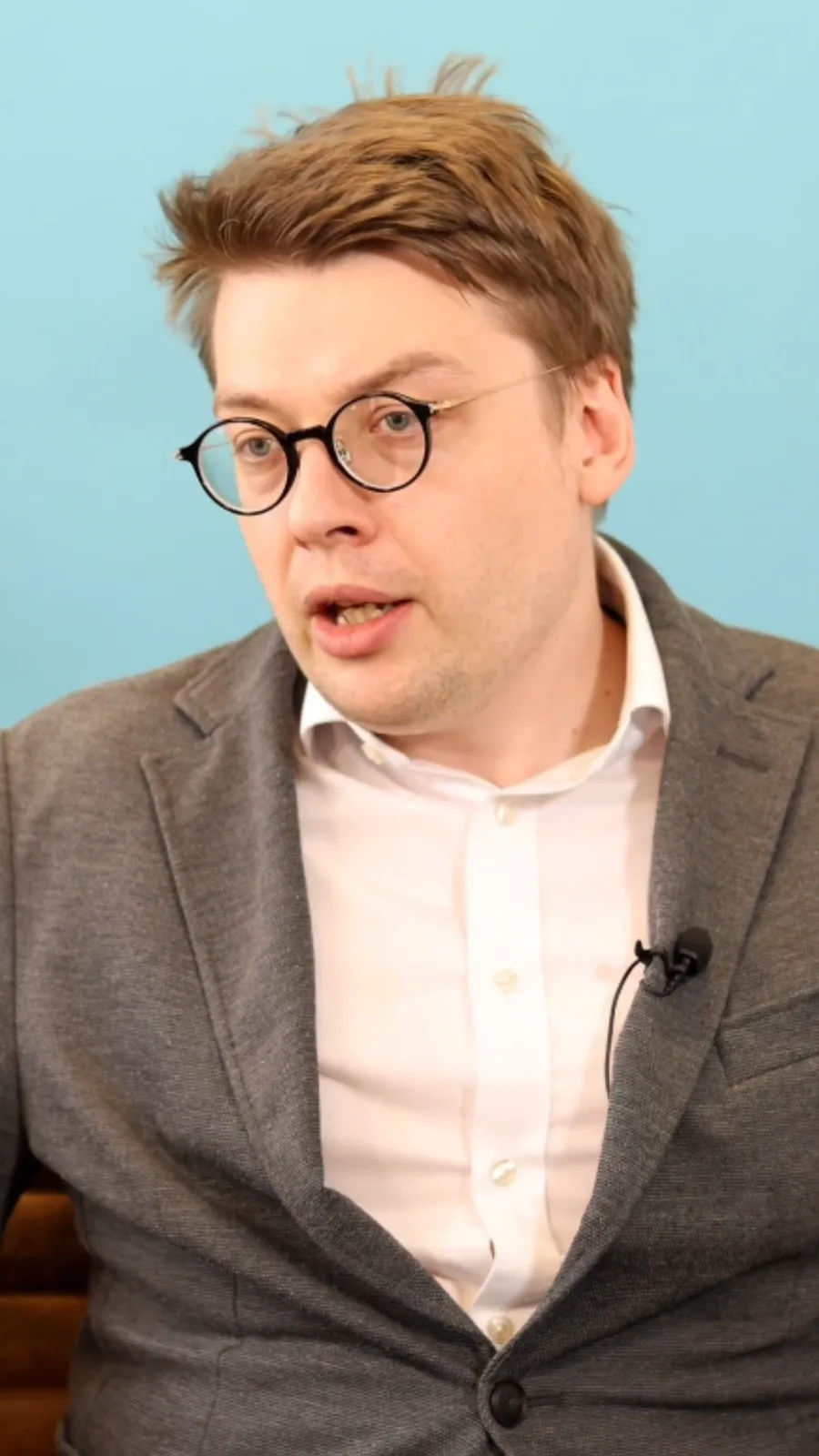
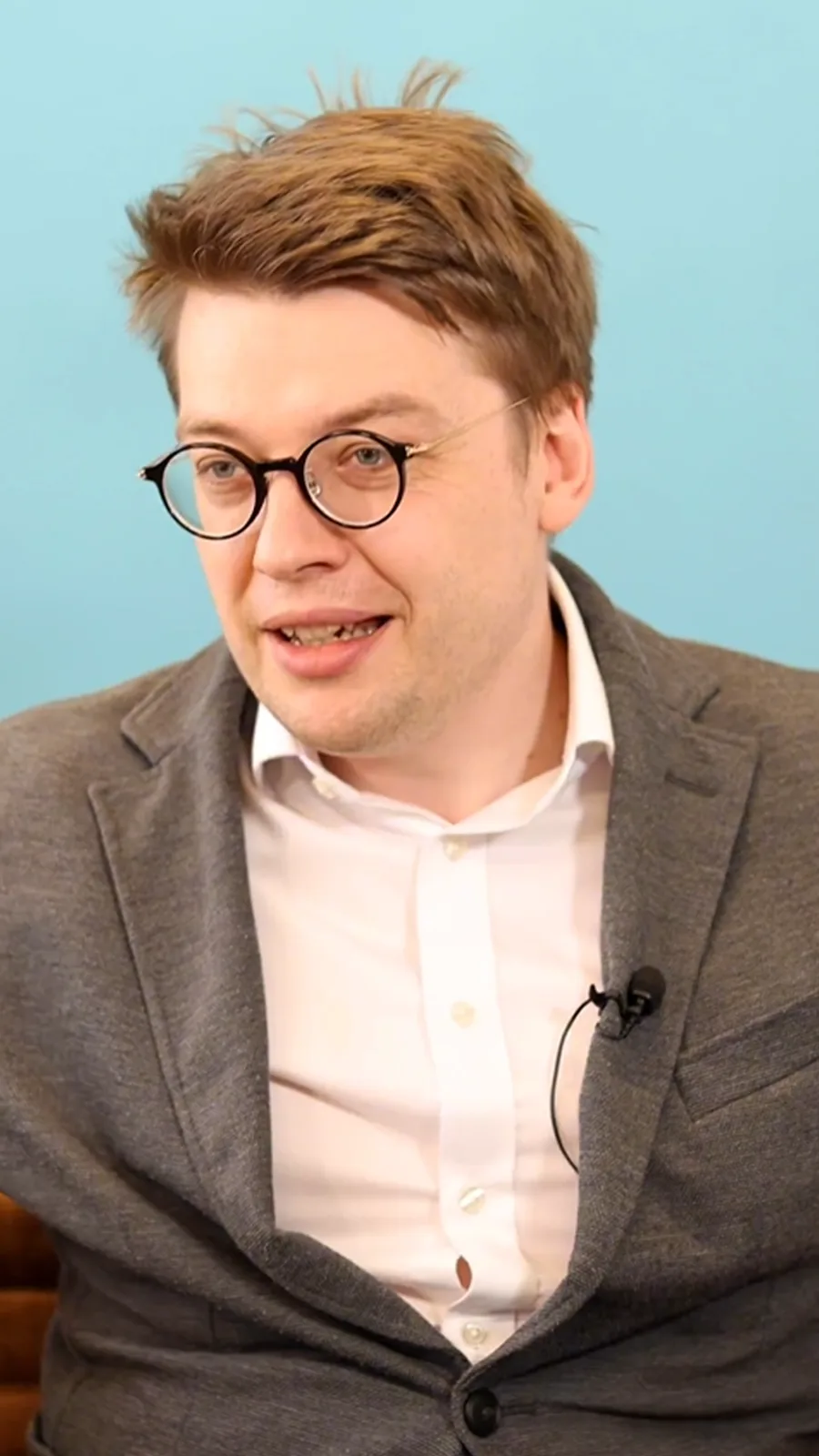
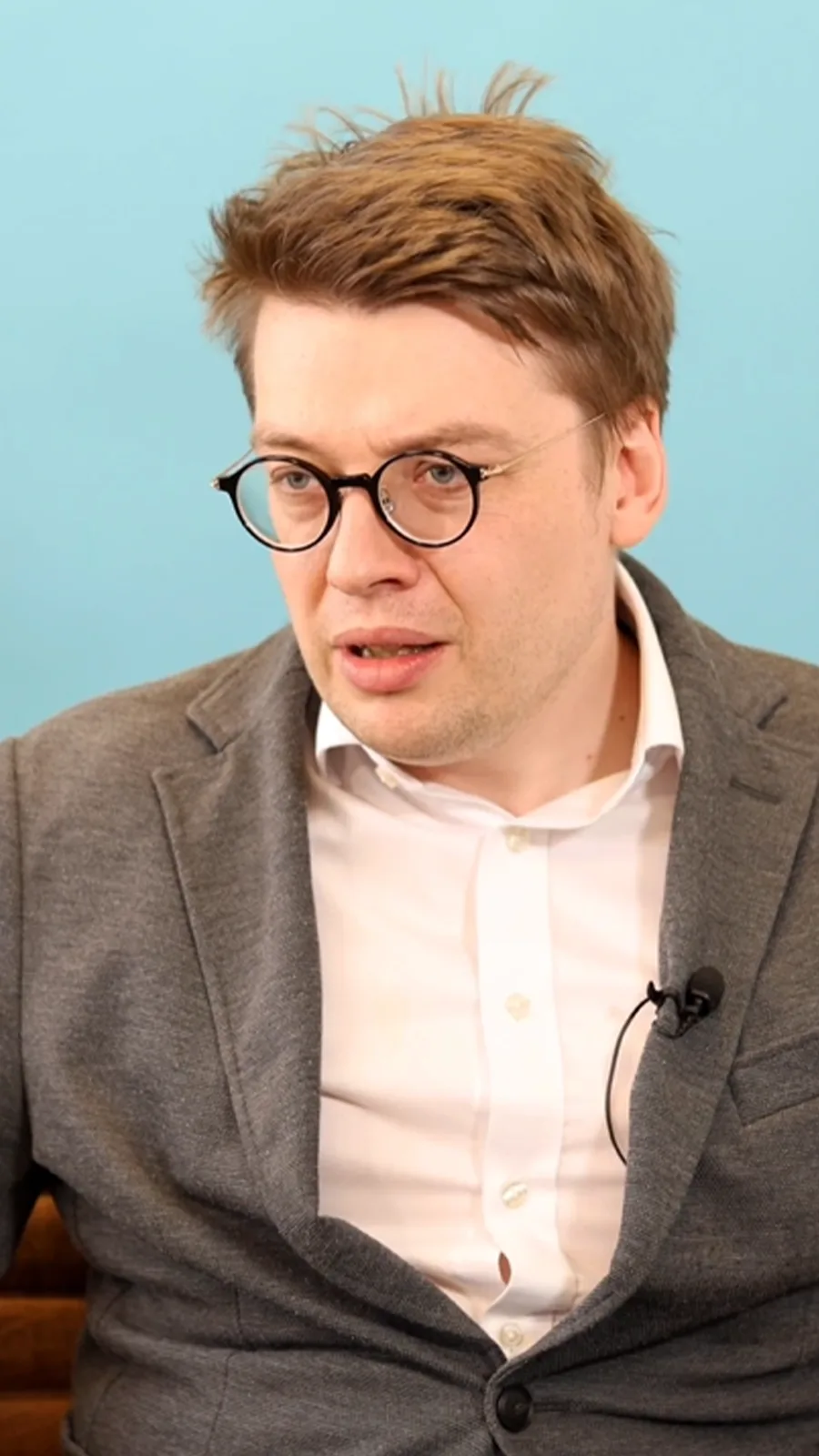
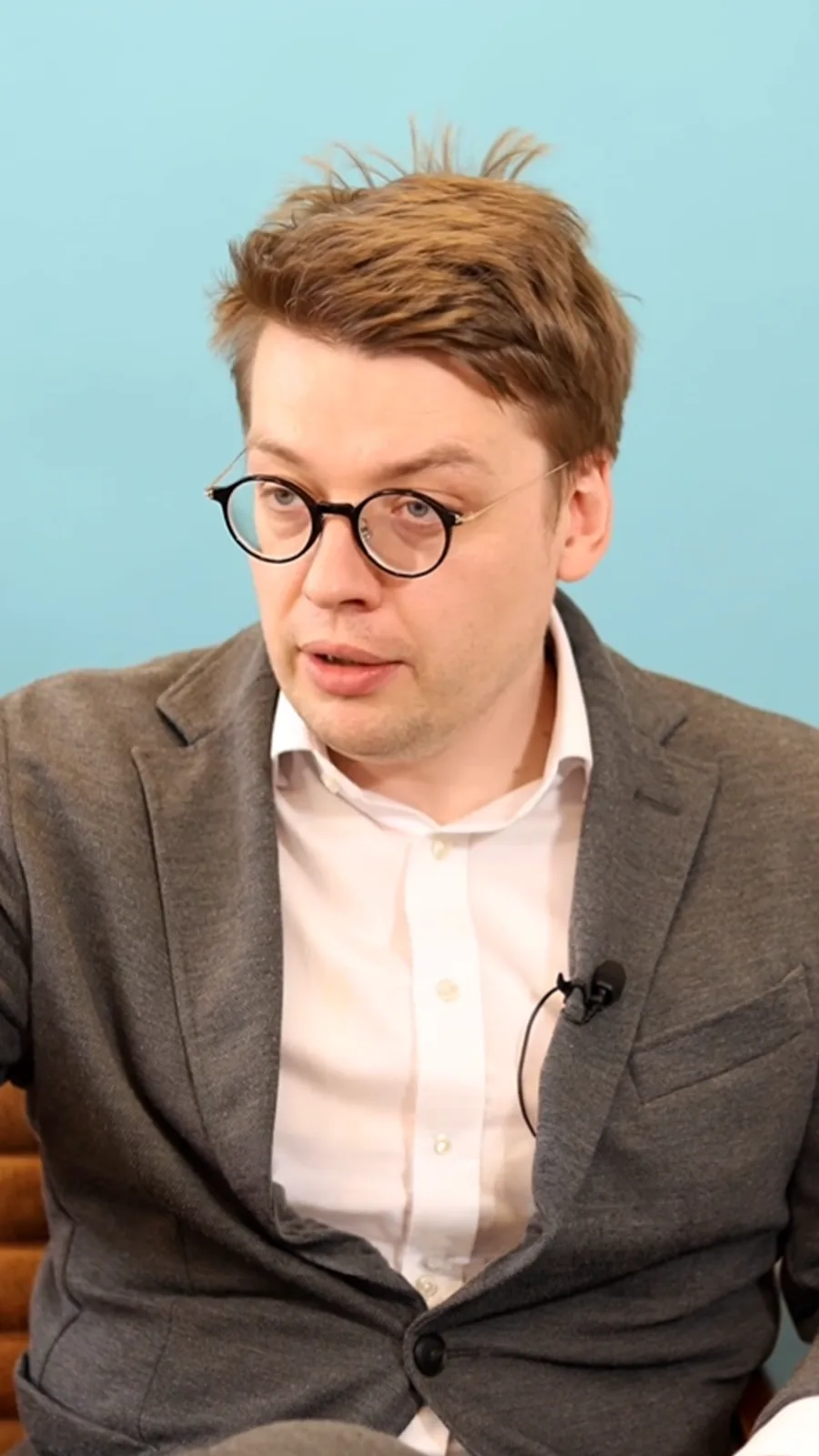
Media reaction
On AI discovery
"Just as importantly, the wider you go, the fiercer the competition . Don't fight for a category where everyone is racing for first place. It's better to own a niche completely than to occupy broad ground that's a war zone."
 Jordan Greenaway, Founder & CEO, Profile26 Oct 2026Available for comment
Questions about AI search visibility experts
The questions we get asked most about AI search visibility, answered plainly.
What does an AI search visibility expert actually do?
How long before any of this shows up in AI answers?
How do you tell whether it is working?
Is AI search visibility the same thing as search engine optimisation?
When does a firm actually need this, and when does it not?
Contact an expert
Get in touch with an expert on AI search visibility for comment, an interview or a question.
Straight to the Findwell press team.